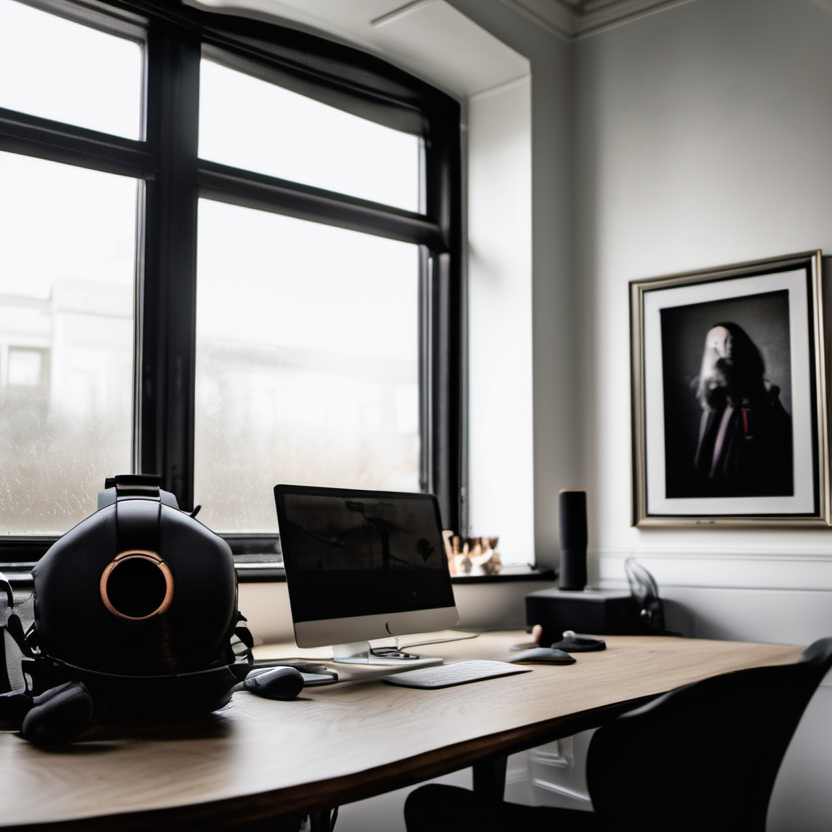
A practical, evidence-conscious guide to PC compatibility, fit, tracking, and the full setup cost—without pretending there is one universal winner.
Disclosure placeholder: Tech4Go may earn a commission from qualifying purchases. Editorial decisions should remain independent; confirm price, availability, and terms before purchasing.
How to use this guide
“Best budget” is not a fixed product ranking. Prices change, product revisions ship, retailer bundles differ, and a feature that is useful for one person may be irrelevant for another. This guide therefore gives you a repeatable way to choose VR headsets for PC gaming in 2026. It does not claim hands-on testing, rank named products, or repeat unverified specifications. PC VR requirements depend on the exact headset, connection method, graphics hardware, operating system, and game. Verify the current official requirements before ordering.
Before comparing listings, write a short requirement list: the device or environment you already have, the one or two jobs the purchase must do, what would make it unusable, and the all-in amount you can spend. That prevents a tempting sale from becoming an expensive mismatch. For adjacent buying advice, see Tech4Go’s related guide and another practical buyer guide.
Set a real budget, not just a sticker-price cap
Use the checkout total as the comparison point. Include tax, delivery, required adapters, chargers, memory or consumables, protective accessories, subscriptions, and likely replacement parts. If a deal depends on a rebate, account, bundled service, or store membership, read those conditions before treating it as the price. Record the date and seller for each quote because budget advice ages quickly.
Separate must-haves from nice-to-haves. A reliable core function, usable controls, and a fair return policy generally matter more than a long feature list. Buy enough capability for ordinary use and leave room in the budget for compatibility or comfort fixes. The right target is a purchase you can keep using, not the lowest number on a product card.
Check compatibility before comparing features
Budget PC VR starts with the computer, not the headset price. Identify the graphics card, processor, RAM, operating system, and physical display outputs in your machine. Compare those details to the exact model’s current support documentation; marketing terms such as “PC-ready” are not a substitute. If a headset uses streaming or a particular cable, verify the supported connection path and whether required accessories are included.
Comfort is performance. Consider head shape, glasses clearance, lens adjustment, face-interface materials, controller reach, cable routing, and how quickly the headset can be shared. Tracking quality also depends on the room: lighting, reflective surfaces, available space, and camera placement can matter. Choose based on the kinds of games you play rather than an abstract specification contest.
Use the headset manufacturer’s current support pages and the game platform’s official VR requirements to check ports, adapters, supported GPUs, operating systems, room setup, controller pairing, account requirements, and return/warranty terms. Product pages can lag behind a firmware release or regional change, so use the official document for the exact model number and revision. Retailer Q&A and review snippets may be useful leads, but they are not proof of compatibility.
Judge daily use, not marketing shorthand
Budget for the system around the headset. Include controller batteries or charging, a compatible cable or adapter if officially supported, prescription inserts if needed, and a safe play area. Set up carefully, follow boundary guidance, and take regular breaks. Use the retailer return window to test fit, connection stability, and the specific games you expect to play.
When you read feature descriptions, translate each one into a task. Ask: Who sets it up? What happens when it loses power or connection? Can the essential task still be completed without an app? Is the status obvious when something fails? The answers reveal whether a feature reduces friction or creates it. Ignore vague labels such as “pro,” “AI,” “premium,” or “universal” unless the manual explains their limits.
Use evidence carefully
Prioritize first-party manuals, support articles, compatibility lists, warranty terms, and official software requirements for factual checks. These documents are the appropriate source for supported devices, setup steps, included accessories, operating limits, and regional availability. Independent reviews can help identify questions to test, but do not turn another person’s experience into a promise about your unit or your use case.
Be especially cautious with claims about battery life, range, speed, comfort, signal quality, health readings, noise reduction, video detail, or durability. Conditions change the result. If the choice depends on one of those outcomes, look for the manufacturer’s test conditions, then validate it in your own environment while a return is available.
A simple checkout and return-window checklist
- Match the exact model number, region, color/storage/configuration, and included accessories.
- Read the current manual and support page; save a copy or bookmark it.
- Confirm the seller, return deadline, restocking conditions, warranty route, and support contact.
- At delivery, test the core task with your real devices and routine—not only an unboxing check.
- Keep packaging and document any compatibility issue before the return deadline.
Whether your existing PC and room can support the headset comfortably, with a clear plan for cables, controllers, audio, and updates. This is the most defensible way to find a budget option: decide the requirements, verify the current evidence, then test the purchase in real life.
Bottom line
The best budget choice is the one that clears your non-negotiables with the fewest hidden costs and assumptions. Start with fit, compatibility, and support; compare current total prices only after that; and treat official documentation plus a meaningful return window as part of the product. Tech4Go’s goal is to help you shop with a method, not to sell certainty that the evidence cannot support.