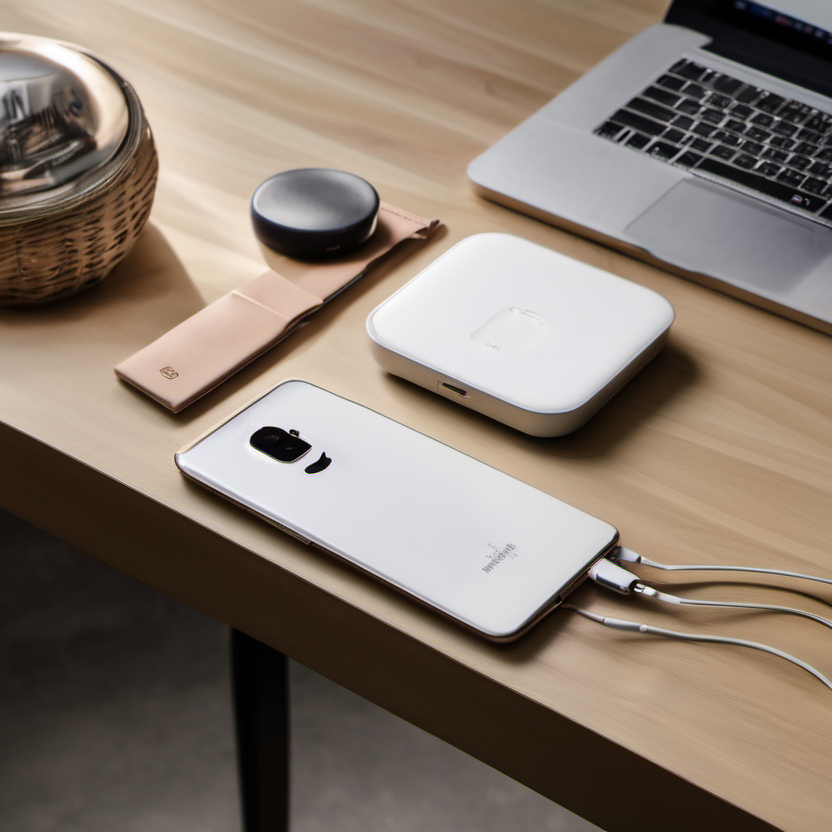
A decision-first guide for people charging a phone and accessories at one bedside, desk, or travel stop.
Disclosure: Tech4Go may earn a commission from qualifying purchases through future affiliate links. This draft contains no product ranking or purchase recommendation. Editorial criteria should remain independent of compensation.
Searching for the “best” budget option is tempting, but a dependable purchase begins with the job it must do. For people charging a phone and accessories at one bedside, desk, or travel stop, the useful question is not which listing has the loudest badge; it is which currently available model fits the daily workflow, the physical setup, and the cost of ownership. This guide explains how to compare options without presenting unverified rankings, laboratory claims, or invented hands-on testing.
Use the checklist below to narrow the field, then verify the live product page, support documentation, warranty, price, and return policy on the day you buy. Retailer titles can group different revisions together, and promotions can hide omitted accessories or subscriptions. If a claim matters to your decision, look for it in the manufacturer’s current documentation and retain a screenshot or order note.
What a budget purchase should accomplish
For this category, the core work is overnight charging, desk charging, and reducing cable clutter across compatible devices. Set a realistic spending ceiling that includes the equipment and services needed to use the product safely and comfortably. Then make two lists: requirements that must be met on day one, and preferences that are welcome but optional. This prevents a small feature from displacing a requirement such as compatible software, a usable control layout, reliable support, or a safe installation.
It also helps to separate price from value. A lower upfront cost may be sensible when the model is supported, compatible, and easy to return. Conversely, a deal is less useful when it creates accessory, subscription, replacement, or setup costs you did not plan for. Compare the exact model number, bundle contents, condition, seller, and warranty—not just the family name.
Four checks to make before you shortlist
Inventory the devices and their standards
Write down the exact phone, watch, earbuds case, and protective case you expect to charge. A multi-device stand may support different charging methods in different positions. Verify each position’s compatibility on the manufacturer page rather than assuming every flat pad supports every wearable.
Price the complete power path
Check whether the wall adapter and cable are included, their stated requirements, and whether the charger limits output with a lower-rated adapter. Do not mix unknown adapters and cables into a safety-critical purchase. Buy from a seller with clear model identification, support contact, and return terms.
Make alignment practical
Charging convenience depends on how easily a device lands in the correct spot, especially in the dark or with a thick case. Look for a stable base, sensible device spacing, status-light controls, and a design that still lets you see a phone screen when needed. Test your case during the return window.
Manage heat and expectations
Wireless charging creates heat and may slow or pause based on device temperature and battery-management behavior. Follow manufacturer ventilation and placement instructions; do not cover a charging surface or place metal objects where the guide prohibits them. Verify current charging-profile and certification information from official product documentation.
A transparent way to compare candidates
Create a simple table with the exact SKU or model number in the first column. Add your must-have requirements, total checkout cost, included accessories, official support link, warranty length, return deadline, and any account or subscription dependency. Mark information “unconfirmed” rather than filling gaps with a retailer bullet. This is especially useful when a product name is reused across sizes, colors, generations, or regional bundles.
Next, read current owner feedback and independent editorial reviews as leads, not as universal proof. Look for repeated, specific patterns and check whether the reviewer identifies the firmware, configuration, test conditions, and unit received. A review can reveal questions to investigate—comfort, reliability, setup friction, or software behavior—but it cannot substitute for confirmation that today’s unit has the same design and support status.
Where connected services or technical standards are involved, use an official source to understand the ecosystem rather than relying solely on marketing copy. For background and current documentation, consult Wireless Power Consortium Qi information. That link is provided as a primary-source starting point; it is not an endorsement of any particular product.
Common mistakes to avoid
- Buying from a comparison chart without opening the manufacturer’s compatibility and support pages.
- Comparing sale prices while overlooking required adapters, cases, mounting hardware, or paid features.
- Assuming a label, certification, or feature applies to every variant in a product family.
- Skipping the return policy when fit, setup, Wi-Fi coverage, or real-world workflow cannot be fully assessed in advance.
- Ignoring account security, privacy settings, firmware updates, or backup procedures for connected products.
Bottom line
The best budget choice is the one that clears your non-negotiables with the fewest surprises after delivery. Keep the shortlist short, verify the exact current configuration, and favor clear documentation over vague superlatives. When product availability, prices, and feature support change, this method remains more useful than a static “top picks” list.
Editorial note: Availability, pricing, firmware, compatibility, and policies can change. Confirm current data directly with the manufacturer and retailer before purchasing. Tech4Go should update this guide when its editorial team has documented, date-stamped testing or verified product research.