Published
A practical Tech4Go decision guide with no product ranking.
Noise cancellation can make a library or shared flat easier to work in, but it has limits. It tends to help with steady sounds more than sudden voices, and the fit determines both comfort and perceived effect. Choose a pair for the environments you actually visit, then test it where the purchase needs to work.
This guide does not rank products or infer quality from a price badge. It gives you a way to narrow choices for library sessions, shared housing, commuting, and focused reading where distraction varies by place, then verify the exact configuration that is available on the day you buy. Product families, bundles, firmware, support terms, and prices change. Save the model number, seller, and return deadline with the order confirmation.
Start with the task, then set a ceiling
Write down the work this item must handle in the next six months. For this purchase, that means library sessions, shared housing, commuting, and focused reading where distraction varies by place. Put non-negotiables first: compatibility, safety, access, repair, or a physical fit. Then list preferences separately. This prevents a pleasant extra from crowding out the requirement that would make the device usable on an ordinary Tuesday.
Separate steady noise from conversation
Air-conditioning hum, bus noise, and engine sound differ from nearby speech or dropped objects. Read manufacturer information about modes, then use independent testing as context rather than a promise. If conversation remains distracting, music or white noise may be a separate decision. Do not buy based on a headline claim without checking whether the mode can be adjusted and turned off.
Wear them for a full work block
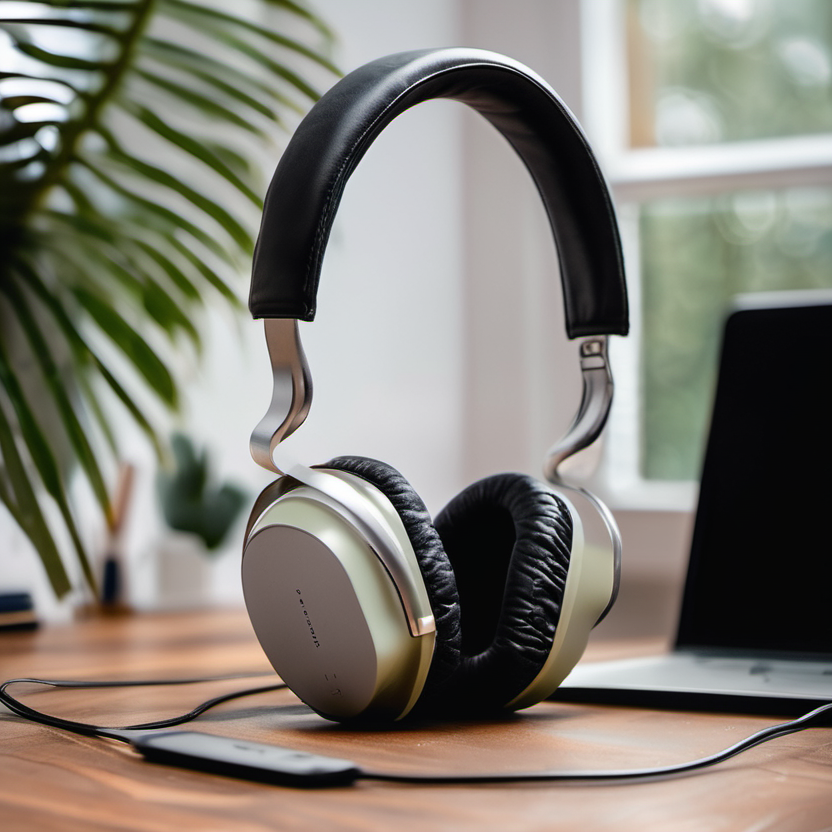
Clamp pressure, ear-cup heat, weight, glasses interference, and headband shape only become clear over time. Use the return period to read, type, take a short call, and move between quiet and noisy spaces. A pair that sounds impressive for five minutes but causes discomfort after an hour is poorly matched to study, regardless of its feature list.
Test transparency and call controls
Transparency modes are useful when someone needs your attention, but they vary in naturalness and wind behavior. Learn the pause, volume, and mode controls before relying on them outdoors. Record a call in your normal room and on a walk if calls matter. Do not infer microphone quality from the audio you hear through the headphones.
Protect your listening habits
Noise cancellation may let you listen at a lower volume, which is a practical benefit. Set a moderate level and take breaks during long sessions. Verify charging, multipoint device switching, replacement pads, and app privacy permissions for the exact model. The right choice is comfortable enough that you do not compensate with volume or constant adjustments.
Compare exact candidates, not family names
Use a short table with one row per exact model or configuration. Include total checkout cost, included accessories, support link, warranty, return terms, and any account or subscription requirement. Mark a detail as unconfirmed when the manufacturer manual and retailer listing disagree. Owner reviews and editorial testing can reveal questions to investigate, but they are evidence about a particular unit and test setup, not a guarantee for the version in your cart.
For background on the standard, safety issue, or account practice involved here, consult CDC hearing loss prevention resources. It is an authoritative starting point for the relevant policy or technical context, not a product endorsement.
Before you order
- Confirm the exact model number, region, included cable or accessory, and condition.
- Read the manufacturer manual and current support page, not only a retailer comparison table.
- Check the seller, warranty route, return deadline, and any restocking or return-shipping terms.
- Keep a fallback for the first use: original equipment, a second copy of data, or a manual control where relevant.
For adjacent decisions, Tech4Go also has a guide to noise-canceling headphones for work. Use that as a related read, not as a substitute for checking the current documentation for this category.
The purchase test
A sensible choice clears the requirements you wrote down, has support information you can locate, and can be returned if the real setup exposes a mismatch. Test the specific behavior that motivated the purchase as soon as it arrives. Keep the packaging until you know it works with your equipment and routine. That is more useful than trying to predict a winner from a static list.