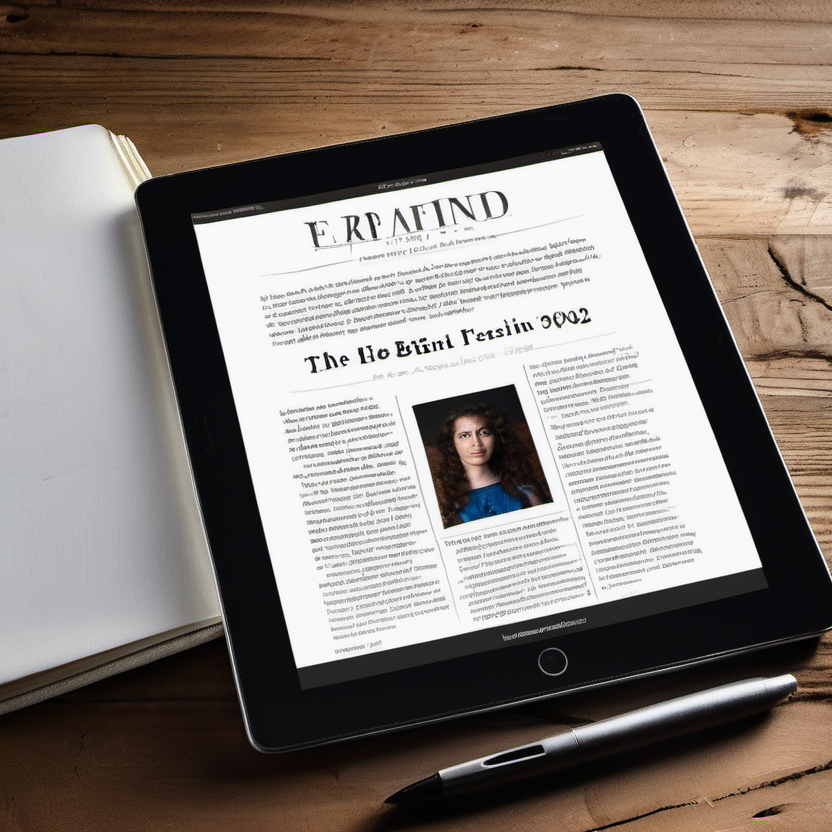
A decision-first guide for students who read course material, take notes, submit work, and join occasional video classes.
Disclosure: Tech4Go may earn a commission from qualifying purchases through future affiliate links. This draft contains no product ranking or purchase recommendation. Editorial criteria should remain independent of compensation.
Searching for the “best” budget option is tempting, but a dependable purchase begins with the job it must do. For students who read course material, take notes, submit work, and join occasional video classes, the useful question is not which listing has the loudest badge; it is which currently available model fits the daily workflow, the physical setup, and the cost of ownership. This guide explains how to compare options without presenting unverified rankings, laboratory claims, or invented hands-on testing.
Use the checklist below to narrow the field, then verify the live product page, support documentation, warranty, price, and return policy on the day you buy. Retailer titles can group different revisions together, and promotions can hide omitted accessories or subscriptions. If a claim matters to your decision, look for it in the manufacturer’s current documentation and retain a screenshot or order note.
What a budget purchase should accomplish
For this category, the core work is course portals, PDF annotation, note-taking, research tabs, and document editing. Set a realistic spending ceiling that includes the equipment and services needed to use the product safely and comfortably. Then make two lists: requirements that must be met on day one, and preferences that are welcome but optional. This prevents a small feature from displacing a requirement such as compatible software, a usable control layout, reliable support, or a safe installation.
It also helps to separate price from value. A lower upfront cost may be sensible when the model is supported, compatible, and easy to return. Conversely, a deal is less useful when it creates accessory, subscription, replacement, or setup costs you did not plan for. Compare the exact model number, bundle contents, condition, seller, and warranty—not just the family name.
Four checks to make before you shortlist
Start with the school workflow
List the apps and sites your course actually requires before comparing tablets. A device that opens the learning portal, handles PDFs comfortably, and works with the preferred document format is more useful than one with a longer feature list. Ask whether classes expect keyboarded essays, handwritten equations, or both.
Choose a screen for sustained reading
Screen size, resolution, brightness controls, and anti-glare behavior shape comfort more than a headline processor number. Compare the display in person when possible, especially if you will read textbooks for hours. Check whether the quoted storage is usable capacity rather than the total printed on the box.
Price the complete study kit
Include a protective case, charger if one is not supplied, a keyboard or stylus if needed, and cloud storage in the budget. Confirm the exact accessory compatibility for the model and region. An inexpensive tablet can become poor value when its essential input tools are proprietary or unavailable.
Protect the next few semesters
Read the manufacturer support page for the current operating-system policy, repair options, warranty terms, and account requirements. Verify the model year and memory/storage configuration on the retailer page immediately before purchase; similarly named models can differ materially.
A transparent way to compare candidates
Create a simple table with the exact SKU or model number in the first column. Add your must-have requirements, total checkout cost, included accessories, official support link, warranty length, return deadline, and any account or subscription dependency. Mark information “unconfirmed” rather than filling gaps with a retailer bullet. This is especially useful when a product name is reused across sizes, colors, generations, or regional bundles.
Next, read current owner feedback and independent editorial reviews as leads, not as universal proof. Look for repeated, specific patterns and check whether the reviewer identifies the firmware, configuration, test conditions, and unit received. A review can reveal questions to investigate—comfort, reliability, setup friction, or software behavior—but it cannot substitute for confirmation that today’s unit has the same design and support status.
Where connected services or technical standards are involved, use an official source to understand the ecosystem rather than relying solely on marketing copy. For background and current documentation, consult Google Android support documentation. That link is provided as a primary-source starting point; it is not an endorsement of any particular product.
Common mistakes to avoid
- Buying from a comparison chart without opening the manufacturer’s compatibility and support pages.
- Comparing sale prices while overlooking required adapters, cases, mounting hardware, or paid features.
- Assuming a label, certification, or feature applies to every variant in a product family.
- Skipping the return policy when fit, setup, Wi-Fi coverage, or real-world workflow cannot be fully assessed in advance.
- Ignoring account security, privacy settings, firmware updates, or backup procedures for connected products.
Bottom line
The best budget choice is the one that clears your non-negotiables with the fewest surprises after delivery. Keep the shortlist short, verify the exact current configuration, and favor clear documentation over vague superlatives. When product availability, prices, and feature support change, this method remains more useful than a static “top picks” list.
Editorial note: Availability, pricing, firmware, compatibility, and policies can change. Confirm current data directly with the manufacturer and retailer before purchasing. Tech4Go should update this guide when its editorial team has documented, date-stamped testing or verified product research.
Research-based picks for budget student tablets
How we chose: This is a research-based shortlist, not hands-on testing. Tech4Go compared manufacturer-listed starting prices, note-taking hardware, storage options, stated multitasking features, and manufacturer battery estimates. Prices, configurations, accessory bundles, and regional availability can change.
1. Samsung Galaxy Tab A11+ — best for holding down the initial cost
Samsung’s U.S. page listed the Galaxy Tab A11+ from $249.99 before trade-in when checked. Samsung states that it supports microSD storage up to 2TB, includes quad Dolby Atmos speakers, and has up to 15 hours of video playback under its stated test conditions. It is the strongest fit here for reading, video lectures, basic Android coursework, and local file storage; that manufacturer estimate is not a promise of identical everyday battery life. Check Samsung’s current model details.
2. Samsung Galaxy Tab S10 Lite — best for handwritten notes
Samsung listed the Galaxy Tab S10 Lite from $399.99 before trade-in and states that an S Pen is included. Samsung lists 128GB or 256GB configurations, microSD expansion up to 2TB, split-screen multitasking support, and a manufacturer video-playback estimate up to 16 hours under specified test conditions. A keyboard cover and microSD card are separate purchases. Check Samsung’s current model details.
3. Apple iPad (A16, 11-inch) — the iPadOS route
Apple lists the 11-inch iPad with the A16 chip, 128GB starting storage, USB-C, a 12MP Center Stage front camera, and compatibility with Apple Pencil and Magic Keyboard Folio. Consider it when iPadOS is a course or personal preference, but budget separately for accessories. Check Apple’s current model details.
Before buying: Confirm that the exact configuration meets your school’s app, storage, keyboard, and note-taking requirements. No model here is presented as universally best for every course.